How to build training and nutrition programs: from assessment to macros
Assessment, goal, weekly split, progression and deloads, then calorie target, protein and macros. The path a trainer follows when building a program.
· 7 min read
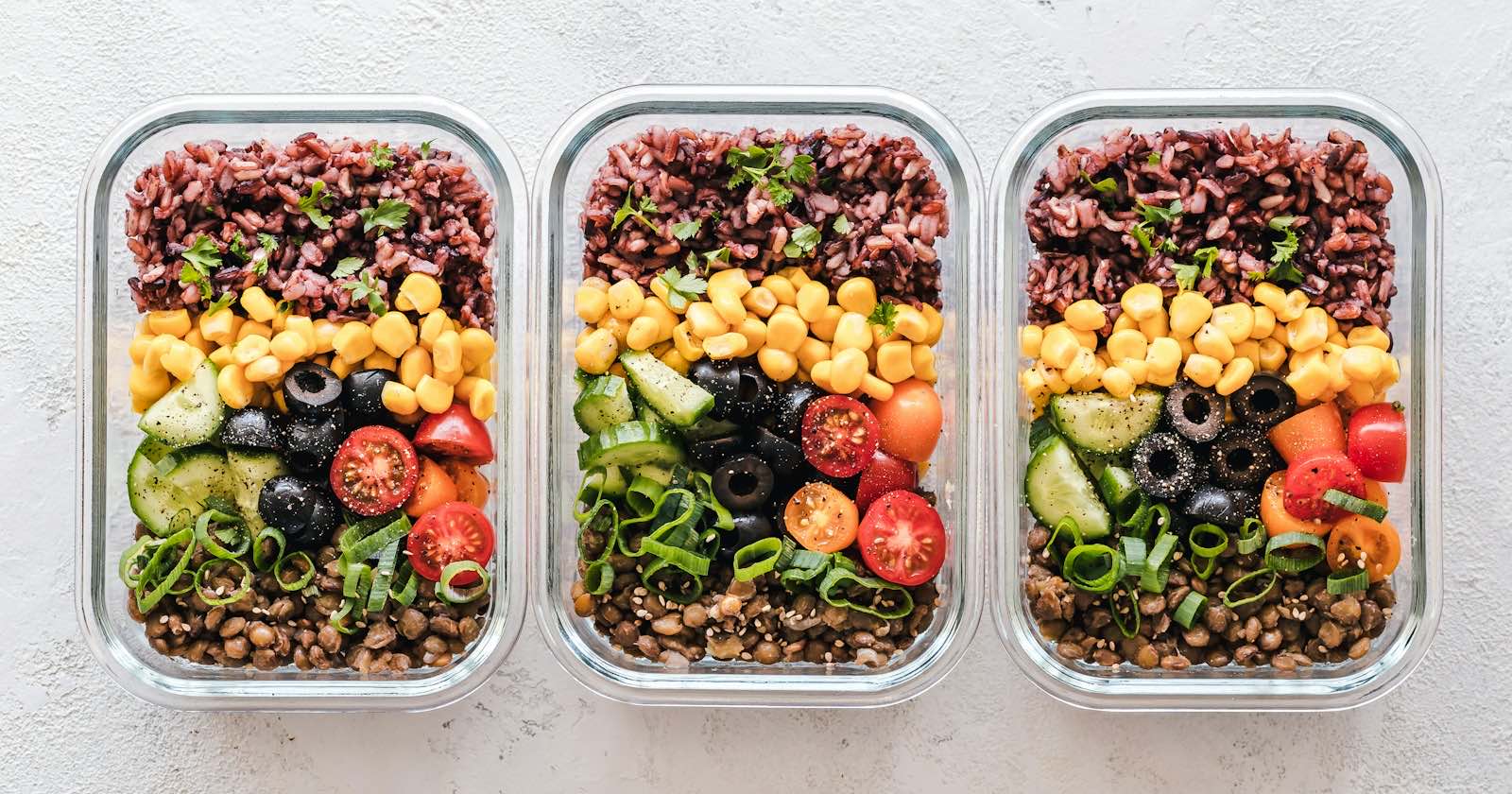
How to build training and nutrition programs: start by assessing the person and setting one goal, then turn that goal into a weekly training split, a progression plan and daily calorie and macro targets. The steps below are the general method a trainer uses; for anyone with a health condition the program is built together with a doctor or dietitian.
The ranges in this post are general starting points, not prescriptions. The final call belongs to the trainer who knows the person.
1. Assessment
Get to know the person before writing anything. In the first conversation find out how many days a week they can commit, where they'll train (gym, home, minimal equipment), past injuries, regular medication and what they've tried before.
Take measurements: weight, height, body fat if you can, and girths such as waist and hip. Watch how they move in a few basic patterns; if squatting, pushing or pulling is clearly limited, the first weeks are built around that.
With heart or circulation problems, pregnancy, uncontrolled blood pressure or recent surgery, don't start the program without a doctor's clearance. That clearance is what makes the work safe.
2. Goal
Pick one main goal and give it a deadline: 5 cm off the waist in 10 weeks, or 20 kg more on the squat in 12 weeks. "Lose fat, build muscle and train for a marathon" adds up to three separate programs.
A measurable goal lets both you and the member see where you are after four weeks. Measuring under the same conditions (morning, before eating, same scale) makes the numbers easier to read.
3. Weekly split
The split follows from the number of days the person can train. As a rough starting point:
| Days per week | Split |
|---|---|
| 2–3 | Full body |
| 4 | Upper / lower |
| 5–6 | Push / pull / legs or body-part split |
For a beginner, three full-body days a week is usually the right call: each muscle group gets trained three times a week and a missed day doesn't wreck the program. Writing a five-day split for someone who can't come five days is the quickest way to get the program abandoned in week two.
4. Sets, reps and progression
Rep ranges depend on the goal. Low reps (about 3–6) for strength, moderate reps (about 6–12) for muscle gain and higher reps for endurance are the ranges people use most. Start weekly set counts low and add as the person adapts.
Progressive overload is what moves a program forward. A simple method is double progression: if the target range is 8–12 reps, once the person hits 12 on every set the weight goes up a step and reps drop back to 8. Tracking effort with RPE lets you progress without taking every set to failure.
5. Deloads
Loading can't climb forever. If weights haven't moved for a few weeks, sleep and appetite are off, or joints are complaining, plan a light week. In practice we suggest one week every 4 to 8 weeks that cuts volume roughly in half; the weight can stay the same while the number of sets drops.
Writing the deload into the program from the start also saves you the "why is this week so easy?" conversation.
6. Calorie target
Nutrition starts with an estimate of daily energy needs. Basal metabolic rate is calculated with a formula such as Mifflin-St Jeor, multiplied by an activity factor, and that gives a TDEE estimate. It is an estimate; the real requirement shows up in two or three weeks of weight trend.
For fat loss, 300–500 kcal a day below TDEE is a reasonable calorie deficit. For muscle gain a small surplus of 200–300 kcal a day is enough for most people. If weight isn't moving at the intended rate, shift the target by 100–200 kcal and watch for another two weeks.
7. Protein, fat and carbohydrate
With calories set, move on to macros, in this order:
- Protein: the ISSN range for adults who exercise is 1.4–2.0 g per kilogram of body weight per day. Splitting it into 20–40 g per meal is practical.
- Fat: most dietary guidelines suggest getting roughly 20–35% of total calories from fat.
- Carbohydrate: whatever calories remain. Protein and carbohydrate count as 4 kcal per gram, fat as 9 kcal.
Example: picture an 80 kg person aiming for fat loss. Estimated TDEE is 2,600 kcal, so the target is 2,100 kcal. Protein at 1.8 g/kg is 144 g (576 kcal). Fat at 25% of calories is 525 kcal, about 58 g. The remaining 999 kcal come from carbohydrate: about 250 g.
The calculator below does the same sum: enter body weight, calorie target, protein per kilogram and fat percentage, and it returns daily grams of protein, fat and carbohydrate. The definition of macros is in the glossary.
Calculate
From a calorie target to macros
Protein is set per kilogram, fat as a share of calories; carbohydrates fill the rest.
A general calculation; with a health condition, pregnancy or a special diet, build the plan with a dietitian or doctor.
How templates help you build training and nutrition programs
The method is yours; the software's job is to save you writing it out again for every member. GamGym's program library has more than 120 illustrated exercises, 17 ready training templates and 12 sample nutrition plans.
The training templates cover the splits above: full body, 5×5, upper / lower, push / pull / legs, body-part split, bodyweight at home, low-impact for over-50s, machine-based for beginners and more. Each template lists days per week, duration, equipment and a progression rule. When you import a template it's copied as your own; you adjust sets, reps, rest, tempo and superset groups for the person and assign it.
The nutrition plans range from 1,500 to 3,000 kcal, with examples for fat loss, maintenance, muscle gain, Mediterranean-style, vegetarian, pescatarian and 16:8 intermittent eating. They're written for the general population, include no therapeutic diets, and each carries a note to consult a dietitian or doctor in pregnancy, chronic illness or when taking medication. Each food you add has its macros calculated from the grams you enter, and you set the program's daily targets yourself.
What happens after you assign a program, meaning workout logs and daily reports, is covered in online coaching app.
Common mistakes
Skipping the assessment and handing over a template as-is. A template is a good start, but the same squat volume doesn't suit someone with knee pain.
Changing everything every week. Progressive overload only becomes measurable when the same exercises stay for a few weeks. Keep exercises fixed in blocks of 4 to 8 weeks.
Calculating the calorie target once and leaving it. The formula gives a starting point; the scale gives the answer. Review the target every two to three weeks.
Writing protein as a percentage of calories instead of per kilogram. On a low-calorie plan, 30% protein can fall short of what the person needs; calculate protein grams from body weight.
Not asking about health history. With pregnancy, diabetes, kidney disease or regular medication, the nutrition plan is made together with a dietitian or doctor.
Getting started
Everything you need to build training and nutrition programs this way, the library, templates and sample nutrition plans, is in the free Trainer plan. Sign up with the become a trainer form, import your first template from the Program menu and assign it to a member. The full picture of the trainer plans is in personal trainer software, and prices are on the for trainers page.
Terms in this article
- Progressive OverloadThe principle of gradually increasing your training load over time, by adding weight, reps or sets.
- Macros (macronutrients)The three nutrients that provide energy: protein, carbohydrate and fat. They tell you where your calories come from.
- TDEETotal daily energy expenditure: the calories you burn through basal metabolism, daily movement, exercise and digestion combined.
Frequently asked questions
How much protein should I prescribe per day?
For healthy adults who exercise, the common range is 1.4–2.0 g per kilogram per day. With conditions such as kidney disease, a doctor or dietitian sets the amount.
Can I give GamGym's sample nutrition plans straight to a member?
You can, but they're written as general examples. Import one and adjust calories and macros for the person; they don't include therapeutic diets.
How often should a deload week happen?
There's no fixed rule. In practice, a week that roughly halves volume every 4 to 8 weeks, or when weights stop progressing, is a common approach.
Can I edit a ready training template?
Yes. An imported template becomes your own copy; exercises, sets, reps, rest and tempo can all be changed. The platform's original stays as it is.